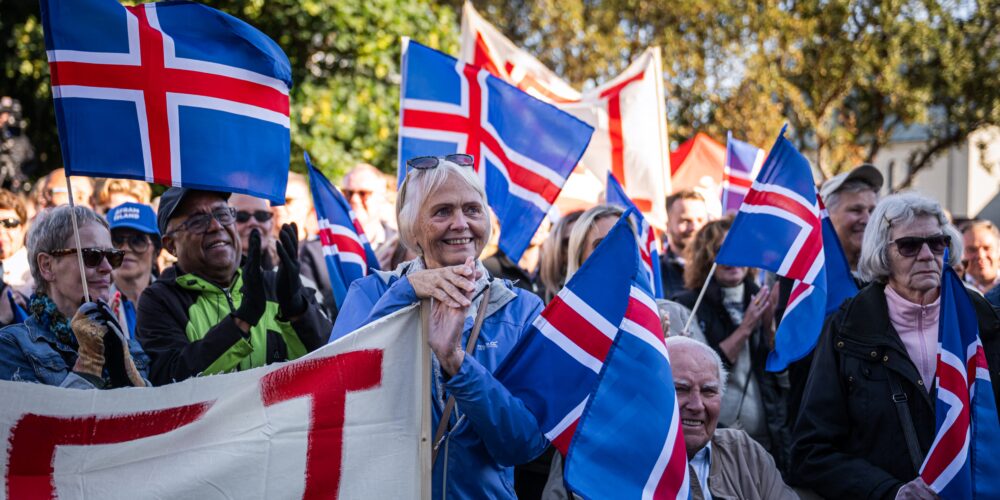



On 29 August 2026, Icelanders rejected EU accession by 52.8% to 47.2%, on an extraordinary 82.5% turnout. The verdict was a decisive rejection of Brussels’ neoliberal discipline and the erosion of national sovereignty—a rejection that carries profound lessons for Ireland.
Iceland’s EU path has been ambivalent. It applied in 2009 after its banking crash, suspended talks in 2013, and withdrew its candidacy in 2015. The current Social Democratic government promised a referendum on reopening talks, arguing membership would insulate the economy and provide ‘security’. The people thought otherwise. The “no” vote prevailed outside Reykjavík, particularly in rural fishing communities, where 90% of fisheries companies opposed joining a bloc that would cede control over their waters.
Fishing rights are Iceland’s economic lifeline and national identity. EU membership meant transferring control over these waters to Brussels. This was unacceptable.
Iceland already has single-market access through the EEA. Full membership would impose EU constraints on public spending, competition rules and social policy—subordinating social need to market logic. Icelandic workers and small producers recognised that Brussels offered not solutions but subordination.
Iceland is a founding member of NATO, but it has no standing army and its defence depends on US and allied cooperation. EU membership would not change that. However, the EU itself is becoming an increasingly militarised actor, subordinated to NATO’s strategic priorities. The “yes” campaign invoked security to push deeper integration, but many Icelanders saw that joining the EU would mean accepting a more militarised Europe—one that demands increased defence spending, deeper entanglement in proxy conflicts, and the subordination of national foreign policy to Brussels. The referendum was not about leaving NATO; it was about rejecting the EU’s own militarist trajectory.
The contrast with Ireland is stark. Iceland, already in NATO, still said no to the EU’s centralising project. Ireland, by contrast, is not in NATO but is systematically abandoning its neutrality and the Triple Lock—the UN-mandated safeguard requiring Security Council or General Assembly approval for overseas troop deployments. This is being done without a popular mandate. The Triple Lock was solemnly promised to secure the Nice and Lisbon treaties; now it is dismantled in parliament, without asking the people.
Ireland is pressured by the EU, a compliant media and a political class that sees deeper integration as the only path. The same forces that failed to convince Iceland—security scares, promises of influence, threats of isolation—are intensified here. Yet in Iceland the people had a direct say; in Ireland, the abandonment of neutrality is being imposed from above.
This is a class issue. Iceland’s rejection was not nationalism alone—it was popular sovereignty against the dictates of capital. The EU is an imperialist project, integrating capital for transnational corporations and militarising Europe under NATO direction. Ireland’s comprador class aligns with this project for foreign investment and imperial favour, sacrificing neutrality and sovereignty. The working class bears the costs: higher military spending, proxy-war entanglement, and subordination of social need to profit.
Iceland has shown another Europe is possible—cooperating sovereign states, not a federal superstate marching to war. Icelandic people saw through the rhetoric. Irish people deserve the same chance. The Government’s assault on the Triple Lock, without a mandate, is anti-democratic. If a NATO member like Iceland can reject deeper militarisation, Ireland—which claims neutrality—has no excuse for surrendering its sovereignty. Ireland should follow Iceland’s example: say no to neoliberal militarism and defend the right to self-determination.