
The Iranian war exposes capitalism’s core logic: upward wealth transfer and economic instability driven by profit, speculation and debt. Rising energy prices, triggered by the war, are accelerating inflation and rippling through the economy, with knock on effects, either now, sooner or later, for transport, food and business costs. That will in turn rightly fuel wage demands with the possibility of embedding inflation expectations. These dynamics will in turn pressure central banks to keep interest rates high, intensifying the economic burden on households.
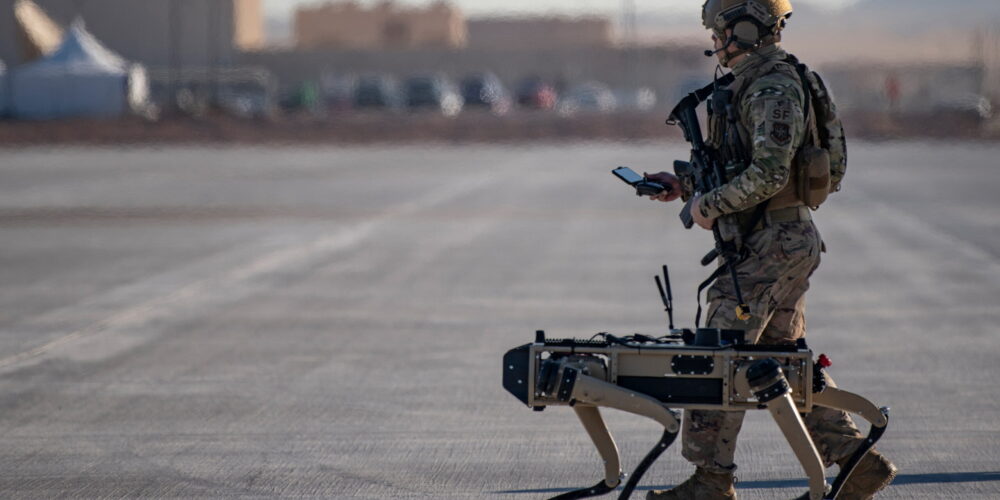
Higher prices are not just a fact of life; they are the mechanism through which wealth is redistributed. What appears to the majority as inflation is a transfer of income to capital. Price spikes in oil markets have attracted speculative capital, with traders and investors profiting from volatility itself. The beneficiaries are fractions of the capitalist class: shareholders in fossil fuel companies, commodity trading houses, hedge funds, private equity firms and large asset managers. Furthermore, the Iran war, on top of Ukraine, is draining stocks of missiles and the metals needed to make them, with tungsten supplies already in crisis. That does not just favour defence contractors; it also favours suppliers in critical materials and components.
Under capitalism, ownership shapes who captures gains. Those who control energy resources for example can appropriate windfall profits, while those who depend on wages are compelled to absorb rising costs. The price system reflects class power, redistributing income upward. However, it is not just redistribution that takes place during war; there is also a destabilisation of capitalism itself.
The recent phase of capitalism has been sustained by speculative investment, particularly in AI and the supply of private credit. This is now under strain because if rates go up, cheap money disappears, undermining the foundations of speculative sectors. The current phase of growth is highly fragile. AI valuations depend on low discount rates; private credit relies on a steady refinancing of debt-laden firms. The house of cards looks set to fall.
Here, a contradiction of capitalism is visible. One section of capital, energy producers, commodity traders and those positioned to profit from volatility, benefit directly from the crisis. Another section of the capitalist class, tied to debt-fuelled speculation, faces growing instability. However, the heaviest burden of adjustment will fall onto the working class.
When inflation rises, wages lag. When growth slows, employment is cut. When financial structures weaken, losses percolate into negative impacts for private pensions funds and public finances.
War does not just create financial upheaval. It discloses capitalism’s workings: a system in which wealth flows upward, where ownership determines power, where crises are a mechanism of redistribution.
Communists are the only political force with the wherewithal to see this.