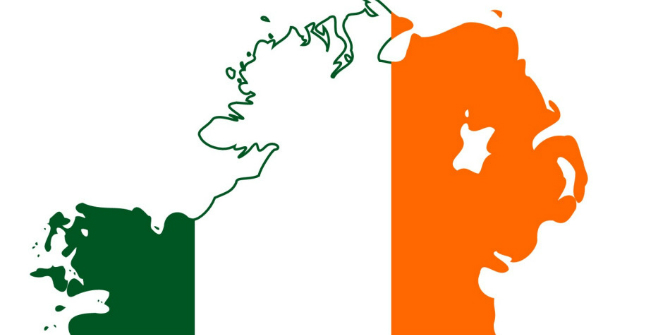


Recent headline figures for the 26-County economy are a study in illusion. GDP growth is expected to reach 10.7% in 2025, a surge driven largely by multinational corporations front-loading exports ahead of potential tariff deadlines. As the European Commission noted in its 17 November forecast, this growth is “exceptional and unlikely to be sustained,” with a projected collapse to a mere 0.2% in 2026.
This facade crumbles further upon examining the domestic sector. The latest Central Statistics Office data shows labour productivity there fell by 3% in Q2 2025. The contrast with the foreign-dominated sector is stark: while the latter boasts a distorted €530.90 per labour hour (inflated by transfer pricing), the domestic sector languishes at just €63.40. Rising productivity signals investment in constant capital and efficient processes; declining productivity signals that domestic capital is structurally weak and failing to generate sufficient surplus value from its workforce.
The familiar dual economy persists: a highly productive, footloose enclave of multinational capital accumulation sits alongside a structurally anaemic domestic sector. As the Communist Party of Ireland has long argued, the Irish economy is a brittle structure built on a fragile, neo-colonial foundation.
In the Six Counties, a different but related dynamic is at play. Modest growth has recently outpaced the UK average, with its Composite Economic Index rising 2.0% in Q2 2025 (Department for the Economy, 25 September). However, this raises a deeper question: what is the source of this growth?
The evidence points not to robust, independent productive investment, but to consumption and state expenditure. The North’s economy remains heavily reliant on the public sector and household demand rather than a self-sustaining cycle of accumulation. Ernst & Young’s Autumn 2025 forecast estimates gross value-added growth—a measure of new value created through production—at a feeble 1.3% for 2025 and 1.2% for 2026 (EY Economic Eye, Autumn 2025). Despite privileged access to both UK and EU markets under the Windsor Framework, its export base remains unimpressive, with HMRC data showing only modest goods export growth in the year to mid-2025 (HMRC regional trade statistics, 11 June 2025). This is an economy dependent on state subsidy, not productive strength.
The consequences for the working class across Ireland are clear. In the South, the dual-economy model makes workers utterly dependent on footloose capital that can relocate or automate at will. In the North, chronic underinvestment traps labour in low-value, low-productivity sectors with weak bargaining power. In both jurisdictions, we see the same phenomenon: growth alongside social hardship. High housing costs, weak public services, insecure employment, and stagnant real wages are the hallmark of an extractive accumulation regime that serves capital, not people.
The Irish working class will only benefit when society’s productive forces are built and deployed collectively for social need. Under capitalism, these forces are developed selectively and privately, making any gains for workers patchy, uneven, and subject to immediate rollback. Neither the FDI-dependent model of the South nor the subsidy-dependent model of the North serves the interests of working people.
The crisis is not one of growth figures, but of ownership and control. The solution is not to tinker with these failed models, but to overthrow them, replacing the anarchy of capitalist production with a planned economy under workers’ control.